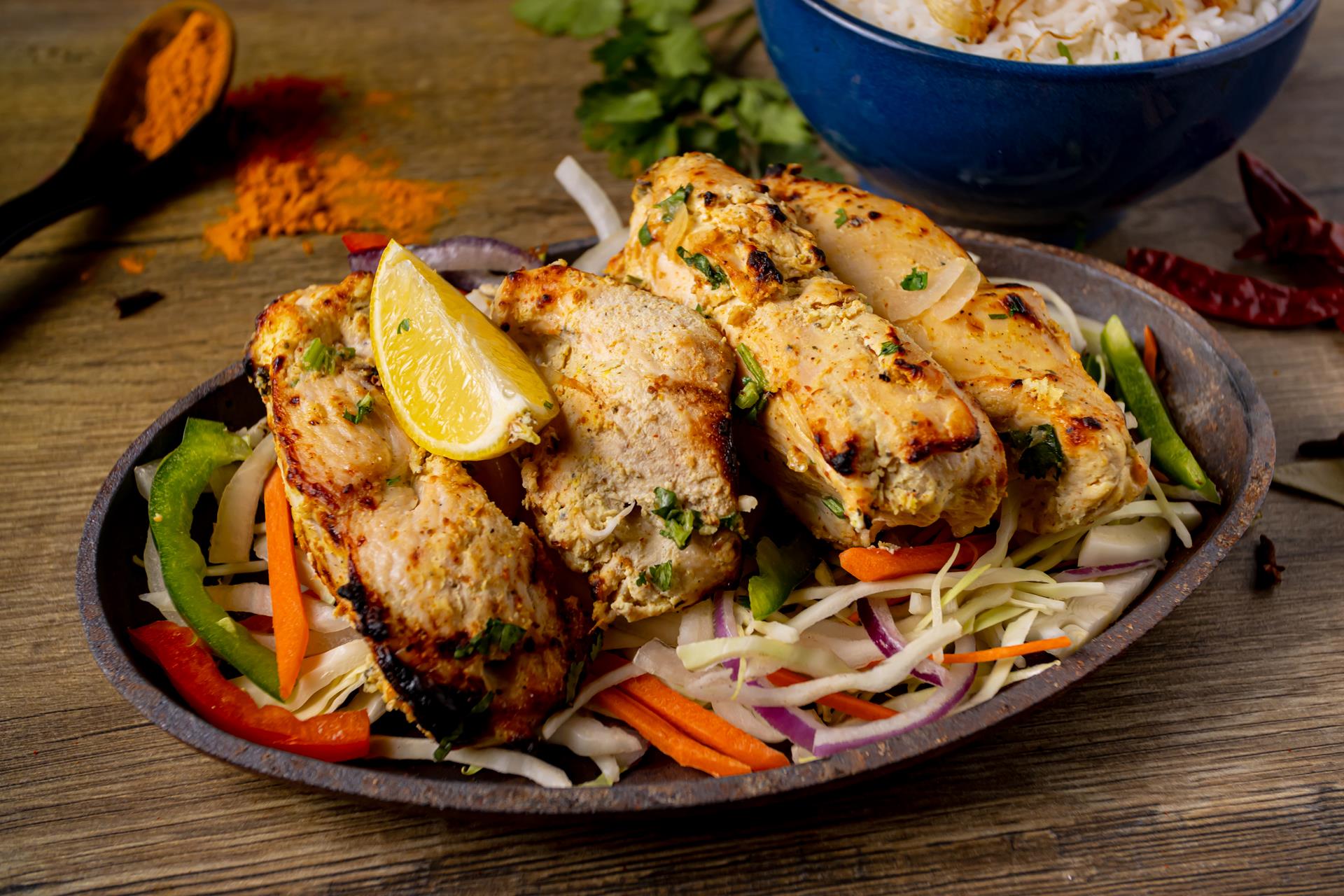
Exploring the Midst of Indian Food: Revealing the Keys of Famous Indian Food
Indian cuisine is a complicated tapestry woven from centuries of history and regional variety. Each recipe, from the fragrant biryanis of the North to the spicy seafood of the South, mirrors farming methods and neighborhood customs. Using spices like coriander and mustard seeds develops layers of taste that are both one-of-a-kind and fascinating. Understanding these elements welcomes a much deeper gratitude of the cookery type, exposing keys that surpass mere nutrition. What lies underneath the surface of these renowned meals?
The Rich History of Indian Cuisine
Although lots of individuals associate Indian cuisine with its dynamic spices and diverse tastes, its history is deeply rooted in the subcontinent's cultural evolution. The cooking traditions of India day back hundreds of years, influenced by different civilizations such as the Indus Valley, Maurya, and Gupta realms (Best indian near me). Old messages, consisting of the Vedas and Ayurvedic bibles, highlight the significance of food in religious and medical methods
Trade paths promoted the exchange of techniques and components, presenting items like rice, spices, and lentils. The arrival of international rulers, such as the Mughals, further improved the cuisine, integrating Persian and Central Eastern aspects. Regional variants arised, showing neighborhood resources and social methods, bring about the advancement of distinctive cooking styles. On the whole, the background of Indian food is a tapestry woven from cultural exchanges, regional adjustments, and considerable historical events, making it a representation of the subcontinent's diverse heritage.
Iconic Cuisines From North India
Rich Flavors and Seasonings
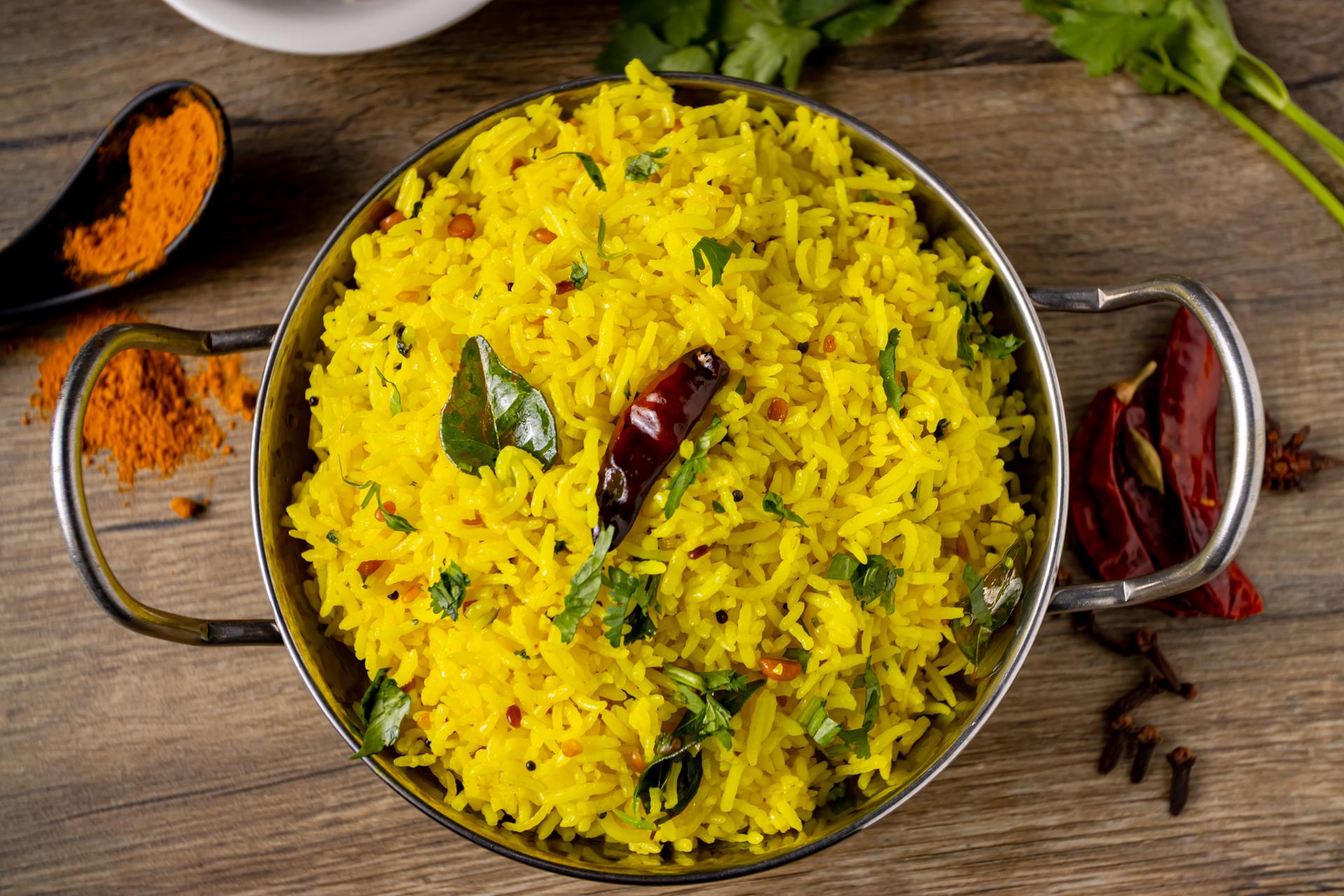
As one checks out the cooking landscape of India, the rich tastes and spices that characterize legendary recipes from the northern area stick out plainly. North Indian cuisine is renowned for its strong use spices such as cumin, coriander, and garam masala, which produce depth and complexity in tastes. Meals like butter hen, rich with creamy tomato sauce and aromatic seasonings, exhibit this splendor. Similarly, biryani, a fragrant rice dish layered with marinated meats and saffron, showcases the art of seasoning layering. Furthermore, dals, lentil-based dishes, are enhanced with tempering methods that release important oils, even more enriching their taste. Overall, the north region's culinary heritage relies greatly on a harmony of flavors, making each recipe a distinct gastronomic experience.
Regional Variations and Influences
The diversity of North Indian cuisine reflects a tapestry of local variations and cultural influences. Each state offers renowned recipes that display regional ingredients and traditions. Punjabi cuisine is renowned for its rich, buttery dishes like Butter Hen and Sarson da Saag, while the Awadhi design from Uttar Pradesh highlights slow-cooked biryanis and kebabs. In the hilly areas, dishes like Rajma (kidney beans) from Himachal Pradesh highlight the usage of easy, wholesome active ingredients. The impact of Mughal culinary traditions is apparent in meals like Biryani and Nihari, which incorporate great smelling flavors and food preparation techniques. This local kaleidoscope shows exactly how background, geography, and society converge to develop a lively North Indian cooking landscape.
Flavors of South India: A Culinary Journey
While discovering Indian food, one can not overlook the lively and varied flavors of South India, where each dish narrates of tradition and social heritage. This area, including states like Tamil Nadu, Kerala, Karnataka, and Andhra Pradesh, supplies a rich tapestry of culinary thrills. Popular staples consist of dosa, a fermented rice and lentil crepe, and idli, a soft fit to be tied rice cake, commonly come with by coconut chutney and sambar, a spicy lentil soup. Making use of rice as a primary grain reflects the agricultural bounty of the land. In Addition, South Indian cuisine is known for its special blend of vegan and fish and shellfish dishes, influenced by coastal geography. The detailed preparation techniques and regional specializeds, such as Kerala's fish curry and Andhra's spicy biryani, highlight the area's culinary variety. Each meal is not merely food however an experience, deeply rooted in the social practices and events of the South.
The Spice Palette: Secret Components in Indian Cooking
Recognizing Indian cooking calls for a gratitude of its complex seasoning palette, which works as the foundation Naan for its distinctive flavors. Central to this palette are spices such as cumin, turmeric, cardamom, and coriander, each contributing one-of-a-kind scents and preferences. Cumin, with its natural notes, is usually utilized in both whole and ground types, while coriander seeds provide a citrusy undertone. Turmeric, acknowledged for its lively yellow tone, imparts heat and is well known for its health and wellness advantages. Cardamom, recognized for its sweet and zesty scent, is important in both tasty dishes and treats. Other vital active ingredients consist of mustard seeds, fenugreek, and chili peppers, which introduce differing degrees of warmth and intricacy. The harmonious mix of these spices, typically enhanced by fresh herbs like cilantro and mint, creates the rich tapestry of tastes that define Indian food, elevating it to a cookery kind valued worldwide.
Regional Variations: A Preference of India's Diversity
India's culinary landscape shows an impressive blend of local variety, shaped by geography, climate, and cultural impacts. Each state flaunts its own distinct tastes and ingredients, leading to an abundant tapestry of meals. In the north, hearty curries and bread such as naan control, while the south displays rice-based dishes and spicy sambars. The west is recognized for its lively use jaggery and seafood, especially in seaside regions like Goa.
On the other hand, the east deals a selection of pleasant specials and fish recipes, influenced by the abundant shores of Bengal. The varied climate throughout India adds to the regional agricultural techniques, forming the accessibility of particular flavors and vegetables. Furthermore, historical trade paths and migrations have infused local cuisines with distinct aspects, developing a detailed mosaic of cooking practices - Naan. This local diversity not only reflects neighborhood identities but additionally improves the overall experience of Indian food
The Art of Indian Food Preparation: Practices and techniques
Cooking in Indian food is not merely a job yet an intricate art form that combines custom, method, and a deep recognition for tastes. Central to this cooking practice are numerous strategies such as tempering, sautéing, and sluggish cooking, each improving the dish's intricacy. Seasonings play an essential function, with their mindful option and accurate application changing standard ingredients into dynamic dishes.
Customs differ widely throughout regions, mirroring local personalizeds and active ingredients. As an example, making use of a tandoor for breads and meats in northern India contrasts with the coconut-based curries of the south. In addition, the value of communal cooking and feasting emphasizes the social significance of food in Indian culture.
In significance, Indian food preparation is a celebration of heritage and innovation, where every recipe narrates, inviting both the restaurant and the chef to take part in a rich tapestry of flavors and practices.
Frequently Asked Inquiries
What Are the Health And Wellness Advantages of Indian Spices?
Indian spices supply numerous wellness advantages, consisting of anti-inflammatory buildings, enhanced digestion, improved metabolism, and antioxidant results. Usual seasonings like cumin, turmeric, and ginger add to general health, supporting immune feature and potentially minimizing disease threat.
How Does Indian Food Accommodate Dietary Restrictions?
Indian cuisine expertly fits dietary constraints by supplying a diverse range of vegetarian, vegan, and gluten-free alternatives. This flexibility allows individuals with different nutritional requirements to appreciate savory meals that value their health and lifestyle choices.
Can Indian Food Be Prepared Quickly?
Yes, Indian food can be prepared quickly. Lots of dishes make use of basic active ingredients and efficient cooking methods, allowing delicious recipes to be made in under an hour, making it available for those with time constraints.
What Are Typical Misunderstandings Regarding Indian Food?
Common false impressions about Indian food include the belief that it is always exceptionally zesty, that it exclusively contains curries, which it does not have vegetarian choices. Actually, Indian cuisine varies, tasty, and provides several variations.
How Can I Locate Genuine Indian Dishes?
To locate genuine Indian recipes, one ought to explore regional cookbooks, trusted cooking internet sites, and typical household resources. Involving with regional Indian neighborhoods and participating in cooking classes can likewise supply valuable understandings into authentic meals and methods.